Climate&

Helping communities access and apply climate knowledge for a more sustainable future

Projects

From climate science to practical solutions

From major climate risk assessments to local adaptation planning and creative climate storytelling, our work brings together science, communication and practical application to build climate resilience.

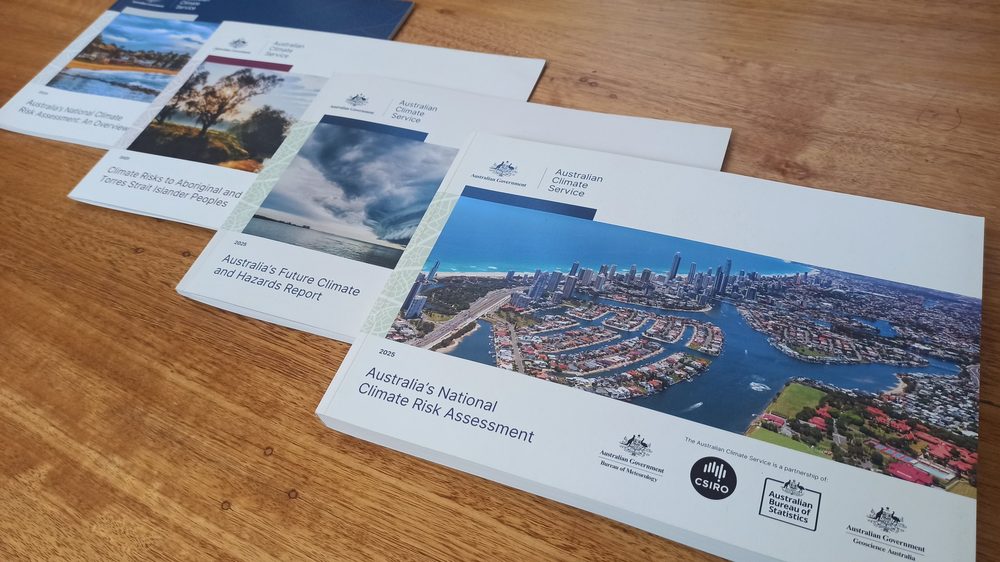
Printed copies of Australia's National Climate Risk Assessment reports on a wooden table

Australia's National Climate Risk Assessment

Climate risk · Project coordination · Stakeholder engagement

Australia's first National Climate Risk Assessment brought together extensive scientific evidence and expert knowledge to analyse Australia's priority climate hazards and the risks they create across sectors.

As an Assistant Manager and Lead Author, Kate helped coordinate this complex, multidisciplinary project, working with experts and government stakeholders to bring together evidence and perspectives from across Australia. Kate managed report timelines, organised review processes and worked with scientific experts and government stakeholders to ensure the findings were clear, consistent and scientifically robust. She also contributed to developing the assessment framework, guiding decisions around hazard indices, global warming scenarios and data visualisation to bring clarity and consistency across the report. She also developed concepts and drafted content for infographics, working with designers to make complex climate information easier to understand for decision-makers.

↑ All projects
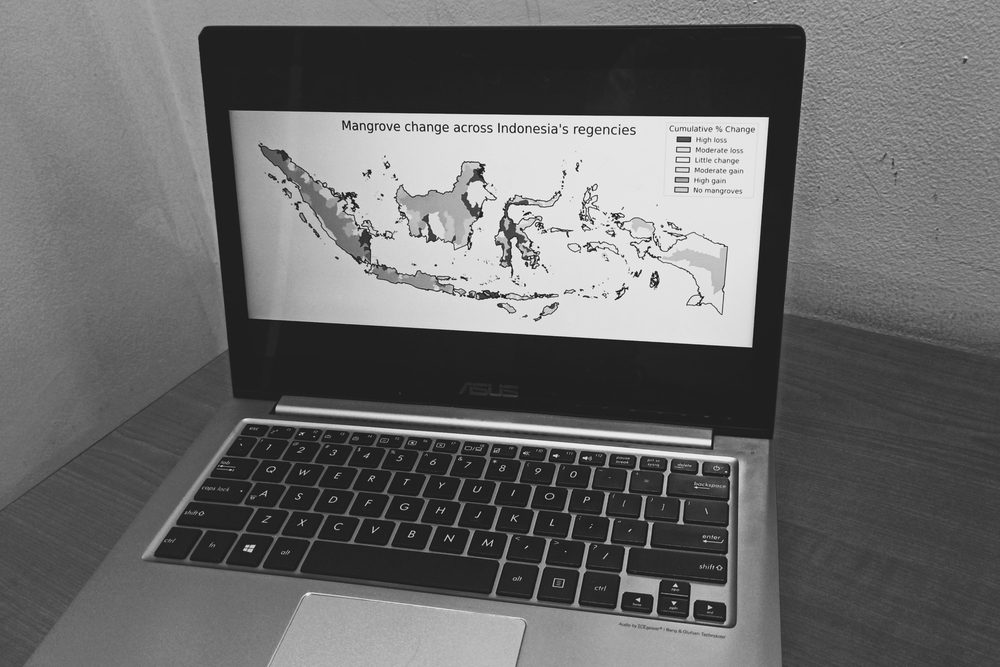
Laptop screen showing a map of mangrove change across Indonesia's regencies

Sea level rise data analysis in Indonesia

Research & data analysis · Locally led development · Adaptation planning

Indonesia faces significant risks from sea level rise, but gaps in sea level measurements can make it difficult to assess which coastal areas are most vulnerable.

As a Sea Level Rise Advisor with the UN Global Pulse Asia Pacific Hub in Jakarta, Kate developed a new layer for a sea level rise decision-making tool, using mangrove data to help identify areas where the loss of natural coastal protection could increase vulnerability to flooding. She analysed mangrove coverage and loss, then combined the findings with existing sea level rise projections and socioeconomic data to build a clearer picture of where adaptation efforts would be most needed.

The analysis helped inform discussions with Indonesian government stakeholders and contributed to a policy paper on national sea level rise planning. Kate shared the research at the 2026 Global Tipping Points Conference in Malaysia, aiming to inform and inspire similar climate adaptation initiatives in neighbouring regions.

↑ All projects
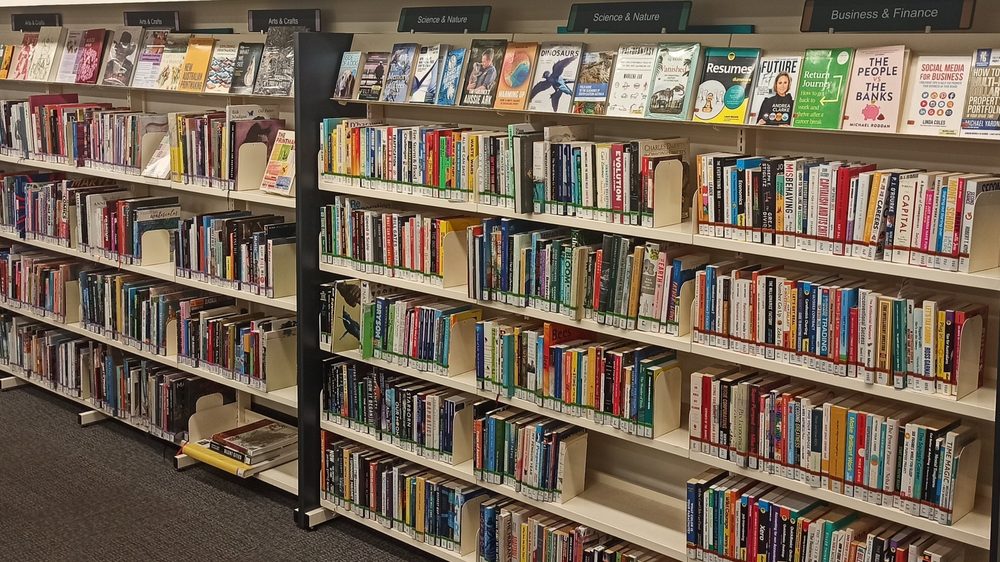
Library shelves of science and nature books

Climate change in the media

Climate communication · Writing & editing · Public engagement

Making climate change relevant to people's everyday lives is critical to building public understanding of climate change. The Monash Climate Communication Hub partnered with major media outlets to bring accessible, locally relevant climate information to Australian audiences through trusted news sources.

In her role at Monash, Kate collaborated with climate scientists to plan, write and edit climate news articles published across the country, creating engaging local stories that connect global climate issues with local communities.

She also developed scripts and infographics for weather presenters across major television networks, supporting them to explain observed climate changes to the public. In addition, she co-developed the Hub's social media strategy to strengthen its reach and consistency across platforms. The team's work was recognised with the 2022 Dean of Arts Award for Excellence in Research Enterprise.

↑ All projects
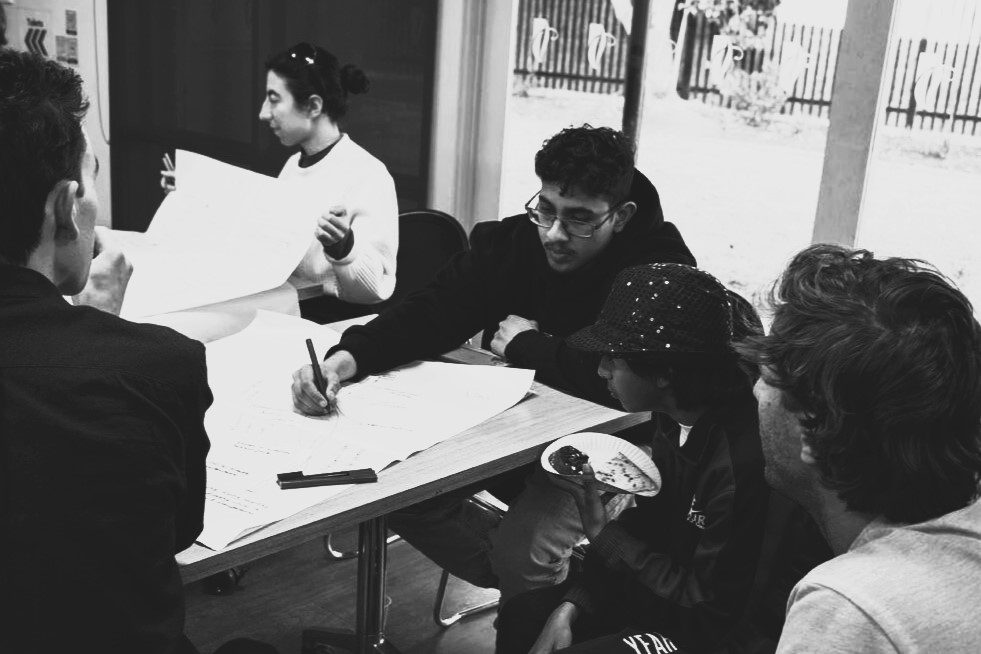
Young people and facilitators working around a table at a climate workshop

Empowering the next generation of climate action

Climate education · Youth engagement · Resource development

Young people will be the most affected by climate change, living with the consequences for decades to come. Equipping our future leaders with the tools to understand climate change science and drive social change is critical.

Over the past decade, Kate has contributed to a range of climate education and science engagement initiatives for students and young people. Through Monash University's Climate Classrooms project, she has worked with teachers, students and fellow climate experts to develop interactive lesson plans for high school teachers. Resources are available for a range of subjects and year levels, recognising that climate change is not just an environmental science issue, but a multisectoral problem that requires solutions across different fields, from maths and geography to health and the arts.

Kate has also promoted multidisciplinary solutions to climate challenges as an Industry Mentor with the Monash Innovation Guarantee. Over several weeks, she mentored students from different academic backgrounds as they explored solutions to climate-related problems.

Her broader experience includes science engagement at Scienceworks museum, school mentoring programs and other outreach events, as well as building science employability skills through career talks and a student workshop series.

↑ All projects
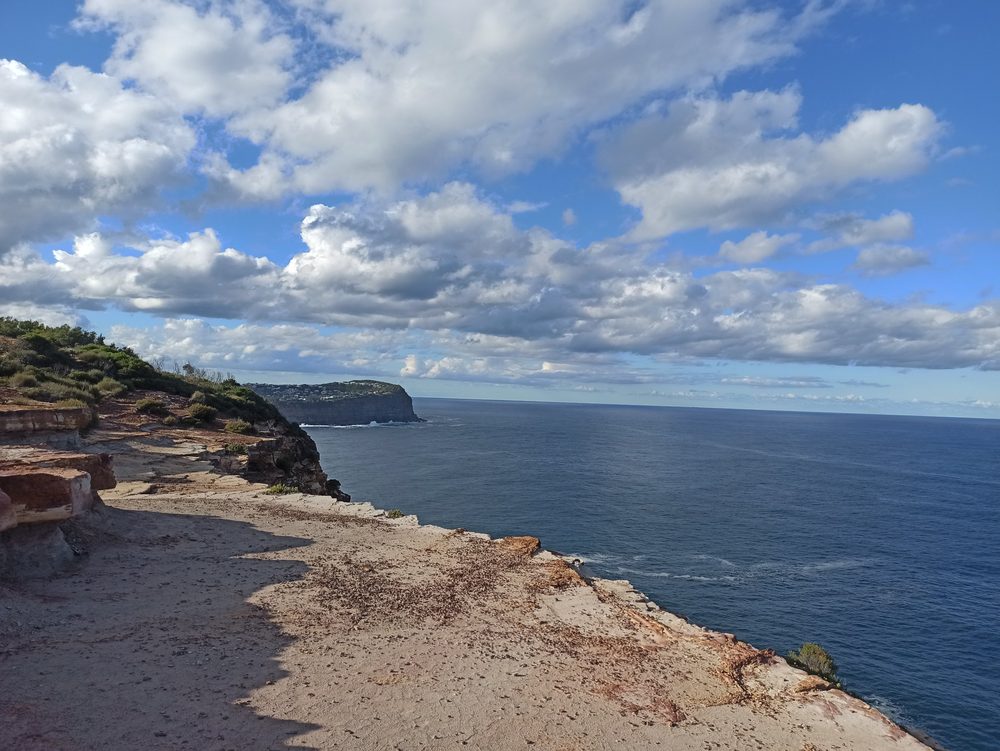
Sandstone cliff top overlooking the ocean under a cloudy sky

Creative solutions to the climate crisis

Creative collaboration · Science and the arts · Climate communication

Facts and figures alone often aren't enough to sway hearts and minds on climate change. As humans, we turn to stories, emotions and creative expression to give us meaning, connect scientific evidence with lived experiences, and imagine alternative futures.

Acceptance Does Not Mean Surrender is a musical work by composer and musician Nat Bartsch that brings together music and the voices of climate scientists to explore the range of emotions surrounding climate change. Through interviews with Nat, Kate and fellow climate scientists lent their voices and perspectives to the composition, reflecting themes of gratitude, anger, despair, acceptance and radical joy. By exploring these emotions through music, the project offers a creative way to convey the gravity of climate change while leaving room for hope and new possibilities for the future.

Kate is passionate about exploring creative approaches that bring together scientific evidence and the arts to engage people with climate challenges in new ways.

↑ All projects

Let's work together

Have a climate communication or research project in mind?

Every organisation has different needs. Get in touch to discuss how tailored climate communication, research or engagement could support your work.

Contact Climate& →